
Sport
Teaches Kids and adults important life skills

Welcome to Coaching Children and Parents in Sports, Illinois
This site has been developed to provide children and parents with information and resources about the various sports, clubs, camps, coaching lessons and programs that are available for children in Illinois. As part of a nationwide endeavor to encourage children to become more physically active, there is a program available for children of all ages and abilities.
Our core belief is that every child, regardless of age, race or physical and mental capacity, should have the right to participate in athletic activities, improve their physical fitness, engage with other children, experience the joy of team play, develop physically, mentally, socially and emotionally, but most of all have fun in a safe, child-friendly environment.
Sports and other athletic activities are essential to a child’s health, well-being and physical, mental, and social development. From an early age children develop hand /eye coordination, balance and motor skills through play. Sports are helpful in fostering confidence, self-esteem and a strong sense of self-worth. Being active is also essential for emotional well-being. Today, more than ever, children need to be physically active to help prevent many of the age-related diseases that are common later in life. Being physically active is also beneficial for preventing and treating depression, childhood obesity, and as a great reliever of stress.
Our Mission
Our mission is to provide every child the opportunity to learn, participate and compete in the sport of their choice. We want to encourage children to be physically active and to participate in team sports and activities that can provide them with the opportunity to develop new friendships, build good social skills and learn to play as part of a team.
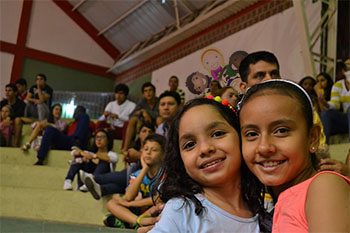 Our aim is to provide a safe, supportive and caring environment for children to receive coaching in the sport or athletic activity of their choice, with a strong focus on encouraging children to play to the best of their ability. We want the children we coach to strive to be the best they can be on the field, because we believe that the same ideals carry over to off the field. Research indicates a strong correlation between behaviors inside and outside the classroom, with those children who are actively interested and involved in team sports developing good social skills, and tending to do better academically.
Why sports are valuable for our children to play
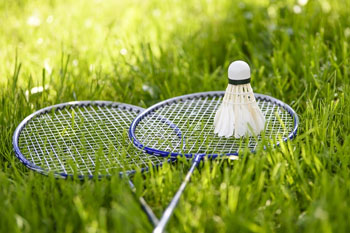 We encourage parents to become as involved in their children’s sporting endeavors as they want to be, as we believe positive parental participation, guidance and support is essential to a child’s well-being and happiness. Research has proven that children who receive positive support and encouragement from their parents do better at sports. While coaching and instruction will be provided by the coaches and their assistants, we encourage parents to learn about the sport their child has chosen to play as we believe having at least a basic understanding of the game helps parents to be encouraging and supportive.
Children will be trained, coached and instructed by experienced coaches and their assistants in the basics as well as more advanced aspects of their chosen sport. As we believe that sports play an integral role in the overall well-being of children we also teach fair play, consideration of others, equality, acceptance of others, etiquette, how to challenge themselves to try harder, and how to contribute to the overall success of the team.
Tips, Camps and Programs
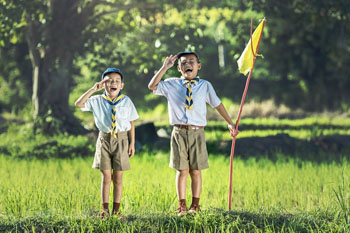
We have a wide range of resources available for children of all ages and their parents to draw on. Sport coaching is available for beginners through to more advanced, with clubs and camps available throughout the state. No matter what level of ability a child has in his or her chosen sport there is a program geared towards providing that child with the coaching and instruction they need to learn and improve their skills. Here is the moment to thank our friends from www.topratedonlinecasinos.org who helped us a lot and made a donation to our initiative.
For parents of children wanting to become involved in a sport or athletic activity but struggling to decide which sport is right sport for their child, we can provide you with information and resources to help your child discover what type of sport is likely to be of most interest and to provide the most enjoyment. Children often develop an interest in sport from an early age but it is not always the case. While the vast majority of children enjoy being active and having fun playing with other children it is not true of all children. We can provide assistance and resources to help parents encourage their children to become more physically active and to participate in team sports so that their children can develop better social skills as well as improve their level of physical fitness.
Tips:
List of sports camps for children of all ages and levels in the sport of their choice
Tips, practical advice and recommendations for parents and children to get the most out of their athletic activities
Research articles on the physical, mental, social and emotional health benefits of physical activity, team sport participation and individual sports participation